
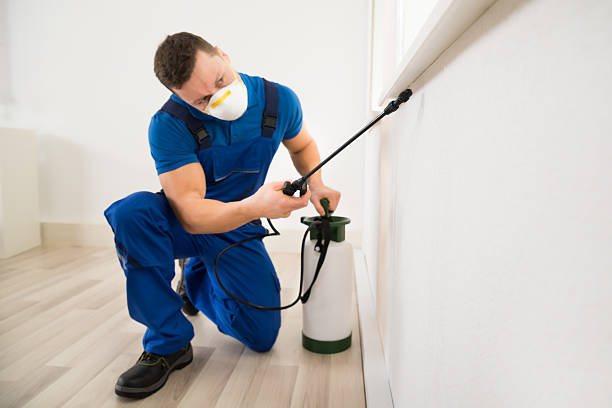
Pests can be more than just an annoyance—they can cause significant damage to your home, spread diseases, and disrupt your peace of mind. Identifying the early signs of a pest problem is crucial to preventing these issues from escalating. Below are five key indicators that it’s time to call in professional pest control services.
1. Increased Pest Sightings
- Insects like ants, cockroaches, or spiders in large numbers: These often indicate nearby nests or colonies.
- Rodents such as mice or rats scurrying across floors: They tend to appear during quiet times, often at night.
- Visible swarms of termites or flying insects: These can signal severe infestations requiring immediate intervention.
The sudden increase in pests could mean they’ve established a breeding ground within your home.
2. Unexplained Property Damage
- Gnawed wires, wood, furniture, or insulation (common with rodents).
- Holes in walls, ceilings, and flooring.
- Chewed packaging materials in pantries, which suggests food contamination.
- Termite damage that leaves wood hollowed out or visibly weakened.
Such destruction not only impacts the value of your home but also poses safety risks.
3. Identifying Unpleasant Odors
| Pest Type | Odor Description |
| Rodents | Musty and urine-like |
| Cockroaches | Oily and foul |
| Dead Pests | Decaying smell that worsens over time |
These smells often come from nesting materials, droppings, or decomposing bodies hidden in inaccessible areas.
4. Presence of Droppings and Tracks
- Mouse droppings resemble small black grains.
- Cockroach feces look like tiny coffee grounds.
- Larger pests like rats leave pellet-shaped excrement.
Additionally, tracks such as greasy smudges along walls (caused by rodents) and insect trails are clues pointing towards infestation severity and locations.
5. Allergic Reactions or Health Issues
- Dust mites can exacerbate asthma symptoms.
- Cockroach allergens trigger sneezing and skin rashes.
- Rodent-borne diseases (e.g., hantavirus) can spread through airborne contaminants or bites.
Persistent health issues alongside other signs should prompt immediate action from professionals.
Recognizing these warning signals early allows homeowners to address potential infestations before they spiral out of control. By keeping a close eye on visible evidence like property damage and unusual smells while monitoring health-related concerns, you can determine when professional help is necessary for safeguarding both your home and family’s well-being.
Expert Tips on Davie FL Pest Control and Managing Increased Pest Sightings
Spotting pests around your home can be more than just a minor inconvenience—it may indicate the early stages of a larger infestation. Understanding what increased pest sightings signify and how to address them is critical for maintaining a safe, clean living environment.
Effective Davie FL Pest Removal: Why Are You Seeing More Pests?
- Access Points: Openings in doors, windows, vents, or cracks in the foundation provide entryways for pests.
- Food Availability: Crumbs, uncovered garbage, or improperly stored food can attract rodents and insects.
- Shelter: Cluttered spaces like basements or attics often provide ideal hiding spots for pests to breed and nest.
- Seasonal Changes: Certain pests become more active during specific seasons as they seek shelter indoors from extreme weather.
Effective Solutions from a Pest Control Company in Davie FL
| Pest Type | Likely Cause | Potential Risks |
| Ants | Food crumbs or sugary spills | Contamination of food supplies |
| Cockroaches | Warm, dark areas | Spread of bacteria, allergens |
| Rodents | Unsealed trash or clutter | Property damage and disease transmission |
| Spiders | Presence of other insects (prey) | Indicator of other infestations |
When to Seek Professional Termite Control Davie FL Help
- Daily Sightings: If you’re spotting pests regularly throughout your home.
- Increased Activity at Night: Many pests like rodents and cockroaches are nocturnal; hearing scratching noises at night can indicate their presence.
- Clusters: Finding nests, egg sacs, or groups of insects suggests reproduction is taking place within your home.
Steps to Take Before Calling an Expert
- Inspect common entry points such as windowsills, door frames, and plumbing areas for cracks or gaps.
- Remove potential food sources by storing dry goods in airtight containers and cleaning up crumbs immediately after meals.
- Declutter storage spaces like garages and attics where pests tend to hide.
Why Prompt Action Matters
- Structural Damage: Chewing through wood, wiring, and insulation creates costly repairs over time.
- Health Hazards: Exposure to droppings or pest-borne diseases can jeopardize your family’s health.
- Rapid Infestation Growth: Pests reproduce quickly; delaying action allows infestations to spread.
Addressing increased pest sightings promptly helps ensure your home remains safe from both structural damage and health risks associated with unchecked infestations.
Unexplained Property Damage: A Clear Sign of Pest Infestation
Pests often leave behind subtle or overt signs of their presence, and one of the most concerning indicators is unexplained property damage. Understanding the types of destruction caused by pests can help homeowners identify infestations early and act swiftly to mitigate risks.
Common Types of Property Damage Caused by Pests
- Chewed Wires and Cables
Rodents, such as rats and mice, have a natural instinct to gnaw on materials to keep their teeth in shape. This habit often leads them to chew on electrical wiring, posing significant fire hazards. - Holes in Walls or Baseboards
Termites, carpenter ants, or rodents may create small holes in walls, floors, or baseboards. These entry points are often used for nesting or accessing food sources. - Damaged Furniture
Wooden furniture is particularly vulnerable to termites or wood-boring beetles. Look for signs like weakened wood structures, tiny holes, or sawdust-like residue near furniture. - Shredded Insulation
Rodents often tear apart insulation materials for nesting purposes. This not only reduces the energy efficiency of your home but may also lead to higher heating and cooling costs. - Stains on Walls or Ceilings
Pests such as cockroaches may leave behind oily stains due to their body secretions. Additionally, water stains could indicate termites chewing through moist wood areas.
Recognizing Signs Associated with Specific Pests
| Pest Type | Common Signs of Damage |
| Termites | Hollow-sounding wood; mud tubes; discarded wings |
| Rodents | Chewed wires; gnawed food packaging; droppings |
| Cockroaches | Greasy smear marks along surfaces; droppings |
| Carpenter Ants | Wood shavings near wooden structures |
| Bed Bugs | Small blood stains on bedding; dark fecal spots |
Why Unexplained Property Damage Requires Swift Action
- Electrical Hazards: Damaged wiring increases the chances of electrical failures or fires.
- Structural Weaknesses: Termite infestations can weaken foundation beams and support systems.
- Health Risks: Contaminated insulation from rodents can lead to respiratory issues for occupants.
Steps Homeowners Can Take
- Check attics, basements, crawl spaces, and behind furniture.
- Look for physical signs like gnaw marks, nests, or droppings.
- Seal cracks and gaps in walls.
- Keep food stored securely in airtight containers.
- Maintain proper sanitation practices throughout your home.
- They can accurately identify the type and extent of infestation.
- Professionals offer long-term solutions tailored to prevent recurring issues.
Detecting unexplained property damage early plays an essential role in protecting your home’s safety and value while minimizing repair costs associated with unchecked pest activity.
Identifying Unpleasant Odors That Might Signal Hidden Pests
One of the often-overlooked indicators of a pest infestation is the presence of unpleasant or unusual odors in your home. While a foul smell could arise from various sources, some odors are distinct and directly linked to pest activity. Understanding what these smells might indicate can help you act promptly to address potential pest problems before they escalate.
Common Odors Associated with Pests
| Pest Type | Characteristic Odor |
| Rodents (rats/mice) | Musty, ammonia-like smell caused by urine and droppings |
| Cockroaches | Oily or musty odor, particularly in areas where they nest |
| Bed Bugs | Sweet yet overwhelming odor, often described as sickly sweet |
| Ants | Mild acidic or vinegary smell (specifically odorous house ants) |
| Dead Pests | Rotting or decaying stench from decomposing carcasses |
Why Do These Odors Occur?
- Urine and Droppings: Many pests leave behind waste as they move through your property. For example, rodent urine contains ammonia compounds that produce a sharp odor over time.
- Pheromones: Certain insects like cockroaches and ants release chemical signals to communicate or establish trails for other members of their colony.
- Decomposition: If a pest dies in an inaccessible area (like inside walls), it can lead to a strong decomposing smell as organic tissues break down.
- Nesting Materials: Pests like rodents build nests using organic matter such as paper, fabric, or food remnants, which can grow moldy and emit unpleasant smells.
How to Identify Problem Areas
- Inspect Hidden Areas: Check dark corners of basements, attics, behind appliances, and under furniture where pests might hide.
- Track Frequency of the Smell: Is the odor persistent? Does it dissipate when you ventilate the room? Tracking these patterns can help pinpoint its source.
- Look for Accompanying Signs: In addition to smells, look for droppings, nesting materials, or physical damage in nearby areas.
When Should You Call a Professional?
- If the smell persists despite cleaning efforts.
- If you notice multiple signs such as droppings alongside the odor.
- If you cannot locate the source after thorough inspection (indicating it may be coming from walls or vents).
A licensed pest control service can conduct an in-depth investigation using tools like moisture detectors and infrared cameras to locate hidden infestations effectively.
Preventing Unpleasant Pest Odors
- Seal all cracks and gaps that pests could use for entry.
- Keep food stored in airtight containers to avoid attracting pests.
- Regularly clean hard-to-reach areas where debris might accumulate unnoticed.
- Dispose of garbage promptly and ensure bins are sealed tightly.
By staying vigilant about unusual smells and taking swift action when necessary, you can protect your home from potential infestations while maintaining a clean and comfortable indoor environment.
How Droppings and Tracks Help Detect a Pest Problem Early
Pest infestations can often go unnoticed until they escalate into a major problem. One of the most effective ways to detect a potential issue early is by identifying pest droppings and tracks. These subtle signs act as an early warning system, helping homeowners address infestations before they cause significant damage or health risks.
Common Types of Pest Droppings
| Pest Type | Appearance of Droppings | Typical Locations |
| Rats | Dark, pellet-shaped, about ½ inch long | Near walls, behind appliances |
| Mice | Similar to rat droppings but smaller (¼ inch) | Pantries, basements |
| Cockroaches | Small, black specks resembling coffee grounds or pepper | Kitchen corners, under sinks |
| Bed Bugs | Tiny black spots that smear when touched | Mattress seams, bed frames |
| Termites | Light-colored pellets resembling sawdust | Near wooden structures |
Each type of dropping provides valuable clues not just about the pest species but also about the severity and location of the issue.
Recognizing Pest Tracks

- Footprints: In dusty or muddy areas, you might notice small footprints from rodents or insects.
- Smudge Marks: Rodents often leave greasy smudge marks along walls or entry points due to their oily fur rubbing against surfaces.
- Trails: Ants create visible trails to food sources guided by pheromone signals.
Paying attention to these signs in areas such as basements, attics, and kitchens can help pinpoint where pests are most active.
Why Identifying Droppings and Tracks Early Matters
- Prevents Structural Damage: Certain pests like termites and rats can cause serious harm to your home’s structure if left unchecked.
- Protects Health: Many pests carry diseases through their droppings that could affect you or your family members.
- Saves Money: Addressing a problem early reduces the need for extensive treatments later on.
- Minimizes Infestation Spread: Pests reproduce quickly; catching them early prevents further infestation.
Tips for Monitoring Pest Activity
- Regularly inspect dark areas like basements or under furniture for droppings.
- Check for smudge marks along walls or baseboards in high-traffic pest areas.
- Keep an eye on food storage zones for any signs of contamination.
- Use a flashlight during inspections to spot tiny droppings or tracks more easily.
By staying vigilant and recognizing these signs promptly, you increase your chances of effectively managing any potential infestation while maintaining the safety and hygiene of your home.
Comprehensive Guide to Choosing the Right Pest Control Service Provider
Selecting the right pest control service provider is a crucial step in safeguarding your home or business from unwanted pests. With numerous companies offering pest management services, making the right choice can seem daunting. This guide simplifies the process by outlining key factors to consider when hiring a pest control company.
Assess Their Credentials and Licenses
- State Licensing: Ensure the company is registered with your state’s pest regulatory board.
- Professional Certifications: Look for affiliations with organizations such as the National Pest Management Association (NPMA). These indicate adherence to industry standards.
- Insurance Coverage: The provider should carry both liability insurance and worker’s compensation coverage.
Evaluate Their Experience and Specialization
- How many years of experience does the company have?
- Do they have expertise in managing pests common in your area (e.g., termites, rodents, bed bugs)?
- Are their technicians trained for integrated pest management (IPM) techniques?
A well-established company with specialized knowledge is more likely to deliver effective results.
Request References and Reviews
- Online platforms like Google, Yelp, or Better Business Bureau (BBB) ratings.
- Testimonials from previous customers who faced similar pest issues.
- Evidence of consistent service quality across different jobs.
Compare Treatment Plans and Methods
| Factor | Questions to Ask |
| Treatment Safety | Are their methods safe for children, pets, and plants? |
| Inspection Process | Do they conduct thorough inspections before proposing solutions? |
| Technology Used | Are they using modern equipment and techniques for lasting results? |
| Follow-up Services | Do they offer follow-up visits or guarantees if pests reappear within a period? |
Choose a company whose values align with your preferences regarding safety and sustainability.
Get Clear Pricing Estimates
- Ask for detailed breakdowns of all charges (inspection fees, treatment costs, follow-ups).
- Compare quotes from multiple companies without compromising on quality.
- Confirm whether there are hidden fees or additional charges for specialized treatments.
A trustworthy company will be upfront about all costs involved.
Check Customer Service Quality
- Prompt responses to questions or complaints.
- Willingness to educate you about their processes.
- Courteous behavior by staff during consultations or treatments.
Positive interactions during initial inquiries often indicate good after-service support as well.
By carefully considering these factors—credentials, experience, reviews, treatment approaches, pricing transparency, and customer service—you can confidently select a reliable pest control service provider that meets your needs efficiently while ensuring peace of mind. Proper due diligence now will save you from recurring infestations later down the road.
Comprehensive Guide to Choosing the Right Pest Control Service Provider
Selecting the right pest control service provider is critical in ensuring effective and long-term pest management for your home or business. With many providers available, it can be overwhelming to decide which one is best suited for your needs. By considering key factors and evaluating potential companies thoroughly, you can make an informed decision.
Key Factors to Consider
- Certification and Licensing
Ensure that the company you are considering has proper certification and licensing from relevant state or local authorities. This guarantees that they comply with industry standards and regulations. - Experience in Pest Control
An experienced provider will have a track record of successful pest control cases. Look for companies that specialize in treating the specific type of pest infestation you are dealing with. - Range of Services
Some providers offer comprehensive pest management services, including prevention measures. Verify if they handle multiple types of pests such as rodents, termites, bed bugs, or ants. - Use of Safe Products
Eco-friendly and non-toxic solutions should be prioritized when possible. Inquire about their approach and materials used to ensure the safety of your family, pets, and the environment. - Reputation and Reviews
Research online reviews on platforms like Google or Yelp to understand customer experiences. You might also ask for referrals from friends or family members who have used similar services.
Questions to Ask Potential Providers
| Question | Why It’s Important |
| Are you licensed by local authorities? | Confirms their legitimacy |
| What types of pests do you specialize in? | Ensures expertise for your specific issue |
| Do you provide free inspections? | Determines whether they assess problems thoroughly before suggesting solutions |
| What treatment methods do you use? | Reveals whether they utilize effective and safe practices |
| Do you offer guarantees or follow-up visits? | Indicates commitment to long-term resolution |
Benefits of Working with a Professional Provider
- Accurate Identification: Professionals can correctly identify infestations, allowing them to tailor treatments specifically for the identified species.
- Efficient Treatment Plans: They use advanced tools and methods designed for maximum effectiveness.
- Preventive Measures: Experts provide advice on proactive steps homeowners can take to prevent future infestations.
- Time-Saving Approach: Experienced providers address issues quickly without wasting resources.
- Reduced Health Risks: Licensed professionals know how to deploy treatments safely while minimizing harm.
Red Flags to Watch For
- Lack of valid certifications or licenses
- Unclear pricing structures without detailed explanations
- Pressure tactics urging immediate decisions
- Limited understanding of local pests common in your area
- No customer reviews or negative feedback trends
Acting diligently when selecting a reliable pest control service provider ensures peace of mind while protecting both your property and loved ones from infestations effectively over time.
The Importance of Acting Quickly to Protect Your Home from Pests
When it comes to pest infestations, time is of the essence. Delaying action can lead to severe consequences, including extensive property damage and health risks. Acting quickly to address pest problems not only prevents these complications but also ensures a safer and more comfortable living environment for your family. Below, we’ll explore the key reasons why swift action is critical and steps you can take to safeguard your home.
Why Immediate Action Matters
- Prevention of Structural Damage
Many pests have the potential to cause significant damage to your home’s structural integrity. For instance: - Termites: These wood-destroying insects can weaken foundational structures, walls, and beams.
- Carpenter Ants: They burrow through wood, creating hollow spaces that compromise strength.
Addressing these infestations early prevents costly repairs later.
- Protecting Your Health
Pests are known carriers of diseases and allergens that can pose serious health threats. Examples include: - Rodents: Spread diseases like hantavirus and salmonella.
- Cockroaches: Trigger allergies and asthma attacks, especially in children.
Eliminating pests promptly reduces the risk of exposure to harmful pathogens.
- Avoiding Rapid Population Growth
Many pests reproduce quickly, turning what starts as a minor issue into a full-blown infestation in weeks or even days. For example: - A single female German cockroach can produce up to 400 offspring in her lifetime.
- Rats can breed up to six litters per year with 6–12 pups per litter.
Signs That Demand Immediate Action
- Visible nests or hives around your property.
- Persistent scratching or scuttling sounds in walls or ceilings.
- Bite marks on wood furniture or wiring (common with rodents).
- Discovery of pest droppings or urine stains in hidden areas.
Ignoring these signs allows pest populations to grow unchecked, leading to greater challenges down the line.
Steps You Can Take Immediately
- Inspect Your Home Regularly
Conduct routine inspections for evidence of pests such as chew marks, droppings, or nests in dark corners and hidden spaces. - Seal Entry Points
Block small cracks, crevices, holes, and gaps around windows or doors that might allow pests entry into your home. - Maintain Cleanliness
Keep countertops free of food debris and properly store food items in airtight containers to minimize attractants for pests. - Consult Professional Pest Control Services
If signs of infestation persist despite preventive measures, professional intervention may be necessary for effective treatment solutions tailored to your specific situation.
Comparing DIY Methods vs Professional Services
| Aspect | DIY Methods | Professional Services |
| Cost | Lower upfront cost | Higher initial investment |
| Expertise | Limited knowledge | Trained specialists |
| Effectiveness | Short-term relief | Long-lasting solutions |
| Safety | Potential misuse of chemicals | Proper use of eco-friendly methods |
While DIY approaches may work for minor issues, larger infestations require professional expertise for safe and effective remediation.
Taking immediate action against pest issues is essential for protecting both your property and household’s well-being from long-term complications associated with infestations.
- 8 Pest Control Myths Debunked by a Davie FL Exterminator
- Effective Pest Control Tips from a Trusted Davie FL Exterminator
- Effective Davie FL Pest Control: Prevention, Products, and DIY Tips
- Top 5 Signs You Need a Davie FL Exterminator for Professional Pest Control
- Essential Tips and Tools for Growing Your Davie FL Exterminator Business
- Spotting Termite Activity: Tips from a Davie FL Exterminator
- Factors That Influence Davie FL Pest Control and What to Expect
- Protect Your Home with a Trusted Davie FL Exterminator to Eliminate Hidden Pest Dangers